Applying PACE-informed ideas to support children’s eating: ideas for adoptive parents, foster carers and professionals
A note before you read: I am a Registered Nutritionist specialising in family nutrition and an adoptive parent, this article shares my personal reflections on applying the principles of PACE around food and mealtimes with my professional knowledge of children’s nutrition. I am not a Psychologist and it is intended as general information. If your child needs specialist support, please seek advice from an appropriately qualified professional.
If you’ve attended adoption, fostering or trauma-informed training, you may already have come across PACE. As an adoptive mam and Nutritionist, it is an approach that has influenced how I think about food, mealtimes and connection at home. This blog shares some of our experiences and, I hope, offers a little encouragement to anyone feeling overwhelmed.
To re-cap, PACE is a relational way of being, developed by clinical psychologist Dan Hughes and associated with Dyadic Developmental Psychotherapy.
PACE stands for Playfulness, Acceptance, Curiosity and Empathy.
It’s a useful approach for nurturing secure relationships, and honestly it is something we draw on a lot in our house. Whether you’re a parent or carer, weaving in PACE may offer opportunities for connection and nourishment.
When I was getting ready to welcome my daughter into our family, I picked up the book ‘Creating Loving Attachments’ by Dan Hughes and Kim Golding, and it was just what I needed. The stories in there felt real and made everything feel clearer to me. It got me thinking about how we could use PACE-informed ideas with food, so I decided to jot down my thoughts in this blog, in case it gives another parent or carer a bit of reassurance.
What is the PACE and why might it matter at mealtimes?
PACE stands for Playfulness, Acceptance, Curiosity and Empathy. These four may support a nurture and creating a secure space where our children feel heard, understood and truly valued.
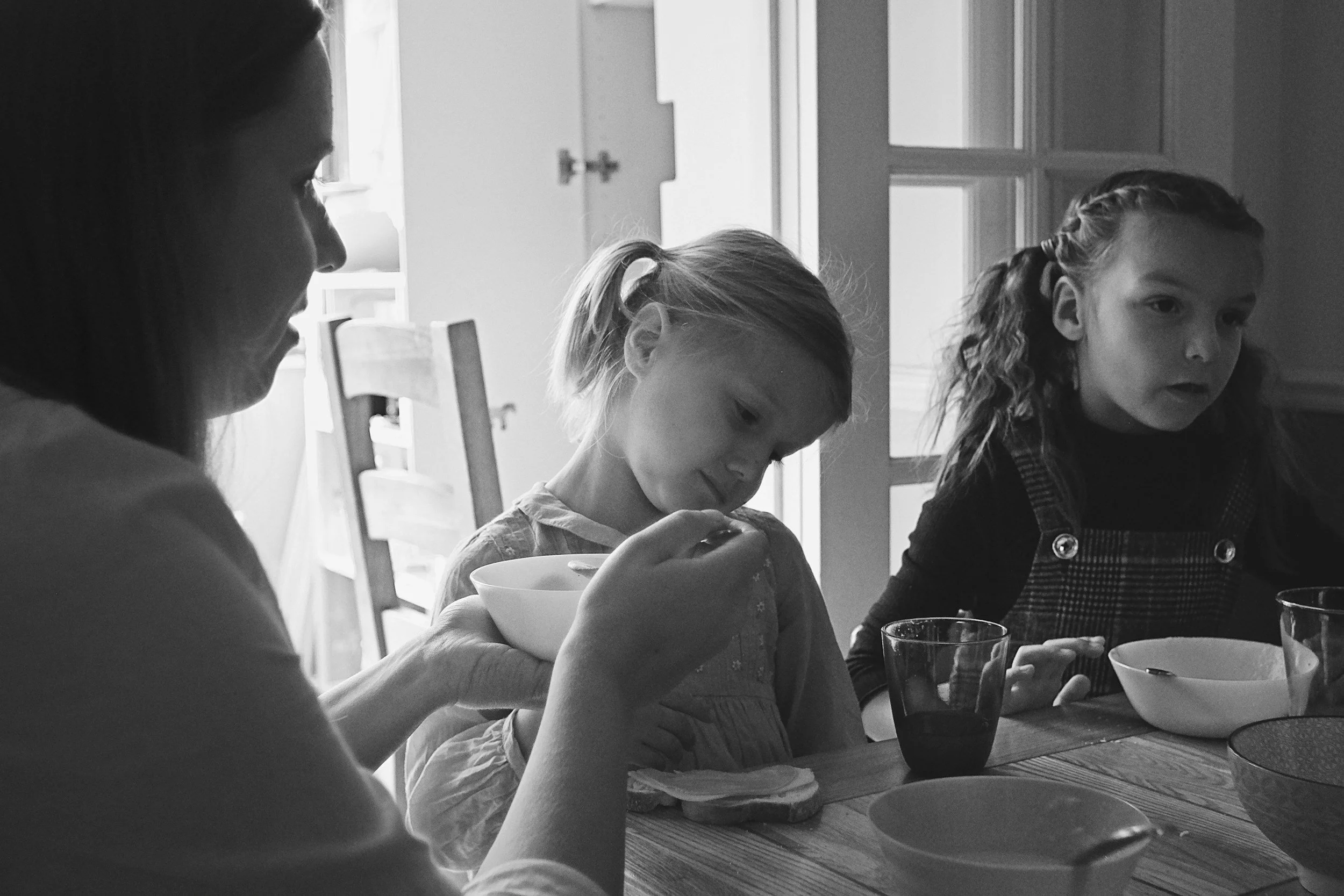
PACE-informed ideas offer a way to approach difficult moments around food, with the focus on warmth and connection.
Carers will not get this right at every meal and please remember that a difficult mealtime does not undo the relationship.
Playfulness
Playfulness can reduce tension and pressure and build connection.
It doesn’t mean every meal needs to be a full-on game. Instead, it’s more about having a relaxed, easy-going attitude, enjoying each other’s company and letting go of worries about food for that time. Watch your child’s cues and just be present and open to connection.
We know that for many children with a trauma history, feeling safe comes before expanding their diets. Shifting the focus to positive experiences, chatting about anything but food, and adjusting to your child’s signals can help shape healthier associations. Over time, mealtimes can become a safe space for learning, where your child knows they are loved, even if food is hard right now.
Acceptance
Acceptance means seeing and respecting your child’s feelings, even when their behaviour is challenging.
At mealtimes, this looks like understanding their appetite, acknowledging their likes and dislikes, and recognising any anxieties around trying new foods, sitting together, or if there’s enough food.
Parents, carers and professionals all want children to be well nourished, because it’s so important for their growth, and acceptance is often what keeps mealtimes supportive.
Let them know it’s absolutely fine to feel unsure about some food. Acceptance goes a long way.
Curiosity
Curiosity is about showing genuine interest in why your child acts as they do. It invites you to wonder about how your child experiences food or what’s behind a certain behaviour. Sometimes, you have to think on your feet. Other times you can reflect, wonder internally, and share that curiosity with your child. This helps you both try new approaches, building understanding together.
Empathy
Empathy is about showing compassion and understanding for your child’s feelings. If mealtimes have been stressful or unpredictable, acknowledge those big emotions and reassure them. Empathy offers an opportunity to build trust, making it easier to address any food-related challenges. Sometimes, just being present and saying “I see you’re finding this tough, and that’s okay, I’m here with you,” may support a sense of safety.
How to Use PACE-informed ideas for Children’s Eating Habits
Using PACE-informed ideas for children’s eating habits is all about mindfully weaving those four principles Playfulness, Acceptance, Curiosity, Empathy into your daily routine. If your child has experienced trauma or disruption, remember that reassurance and a sense of safety can help some children before big positive changes with food can happen. But, although progress rarely happens in a straight line, using this approach over time may support healthier eating habits.
Here are a few practical ways to use PACE-informed ideas:
Using curiosity instead of pressure
Instead of insisting a child must try or finish their food, approach eating with genuine curiosity. When a child refuses food, the priority isn’t getting them to eat at that moment but helping them to feel safe enough that eating becomes possible later.
Curiosity does not always need to be spoken aloud. Sometimes quiet observation, visual choices or allowing a child to explore without explaining may feel safer.

At some point, wonder together about tastes, textures, and preferences.
This opens up a dialogue, helps your child feel listened to, and reduces anxiety or resistance.Make it stand out
Curiosity can also mean exploring food together, preparing meals, smelling ingredients, or even finding out where foods come from. The goal is to encourage exploration, not compliance, and build trust around food.
Accepting feelings while keeping gentle food boundaries
It can help to acknowledge that children might have mixed feelings or strong dislikes around food. It’s important to validate how they feel “It’s okay to feel unsure about new foods”, “It’s okay if you’re not ready to eat right now” or “You’re allowed to have favourites and foods you don’t like.” At the same time, boundaries bring structure and safety. For example, you might say, “This is what is available for the meal, and there is something familiar here for you. You can choose what feels manageable,” or “If you don’t want to try it today, that’s fine, maybe another day.” I always make sure that at least one preferred or previously accepted food is available to help meet their energy needs and help them stay regulated. This approach avoids power struggles and supports both healthy eating and emotional wellbeing.
Being Playful – Speaking a Child’s Language
A light-hearted attitude and playful approach can include:
Talk about food in a fun way, giving them names like cloud fluff for mashed potato (inspired by the Charlie and Lola book – I will never not ever eat a tomato!).
Create your own mealtime songs - my daughter loved the “chewy” family, this is a take on the Addams family song, my partner made it up to help her chew her food and eat more slowly.
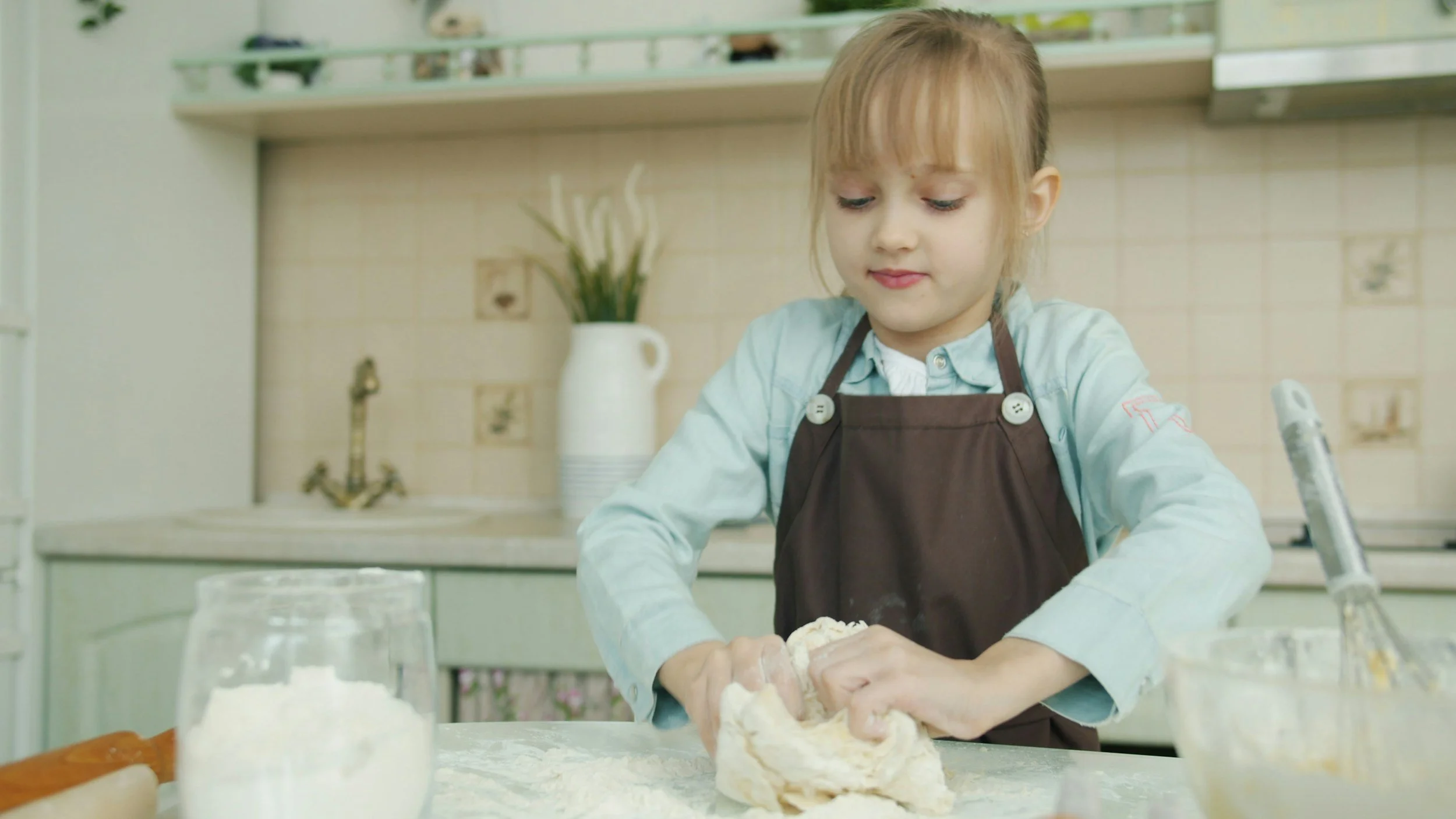
Offer your child the chance to get involved in cooking, stirring, growing food, or choosing ingredients at the shop.
You know your child best and whether it would be helpful for them to play with food away from mealtimes (for exploration with no pressure to eat). This low-pressure exposure can be a success step to expand foods though I know that messy play can be difficult for some children. If it is right for your child, here are some examples:
Potato or broccoli print painting with ketchup/ yoghurt
Threading hoop cereal onto string to make a bracelet
Cookie cutter shapes out of bread to make sandwiches
Making silly faces using vegetables.
Pretend play - running a shop or cafe or feeding a toy with pretend food.
For some children, these activities can offer opportunities for familiarisation and enjoyment. Follow the child’s cues and stop if an activity causes discomfort or concern about wasting food.
Conclusion – PACE for healthier family mealtimes
Using PACE-informed ideas may sound simple, but I have found that it is an ongoing practice rather than something we get right every day. Staying calm and curious can be especially difficult when we are tired, worried about a child’s intake or managing competing needs.
Weaving PACE-informed ideas around food and mealtimes, may support your child feel more connected, which can contribute to healthier eating, a positive relationship with food, and deepens family bonds. Saying that, please do not feel you have failed if progress is slow or specialist support is needed.
Need support with food, mealtimes or nutrition?
If this has resonated with you, you do not have to work through food worries on your own. I offer practical and trauma-informed nutrition support for adoptive families, foster carers, kinship carers and the professionals who support them.
Whether you are navigating fussy eating, worries about weight and growth, care-experienced children’s needs, or you are looking for training, consultancy or support to improve food practice in your setting, I can help you in a way that fits your family, team or community.
You can also download my free guide, A family-friendly guide to food, mealtimes and nutrition.
Take the next step: get in touch at beth@cariadfamilynutrition.co.uk to arrange a free chat. Where concerns require medical, feeding, swallowing, psychological or therapeutic assessment, I will signpost to an appropriately qualified professional.
Further reading:
Golding, K. and Hughes, D. (2012). Creating Loving Attachments: Parenting with PACE to Nurture Confidence and Security in the Troubled Child.
DDP Network - The home of Dyadic Developmental Psychotherapy.